
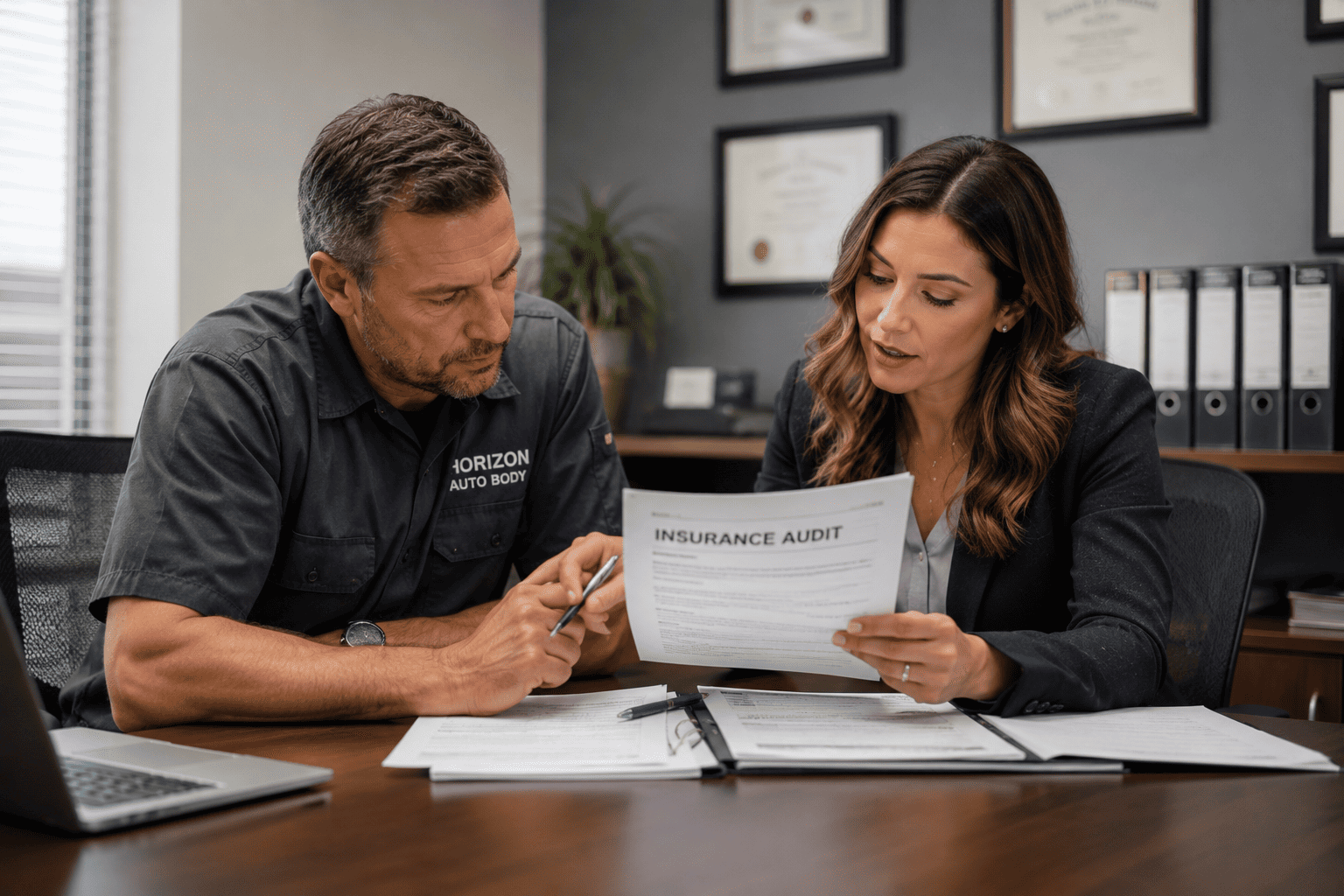
Insurance audits help small businesses confirm that their policy information matches their actual operations. Many business owners worry about the audit process because they do not know what the insurance company will review. This guide explains what insurance audits involve and how to prepare for them.
A good understanding of the process helps business owners organize records, answer questions with confidence, and avoid unexpected premium changes.
Why Small Business Insurance Audits Happen
Many business insurance policies start with estimated payroll, revenue, or other exposure information. Insurance companies use those estimates to calculate the initial premium. At the end of the policy term, they compare the estimates with your actual business activity.
This review helps determine whether the premium remains accurate. It also confirms that your policy reflects your business correctly.
What Insurance Audits May Review
Payroll and Business Records
Insurance audits often include payroll records, subcontractor documents, and other business records. Organized files make the process faster and easier. They also help verify the work your business completed during the policy period.
Classification Accuracy
Employee classifications play an important role during insurance audits. Incorrect classifications can increase your premium. Review your classifications regularly to confirm they match the work your employees perform.
Changes During the Policy Period
Business operations often change during the year. You may hire employees, expand services, or complete different types of work. Those changes can affect your insurance premium. Accurate records help explain those changes during the audit.
How to Avoid Costly Surprises
Keep payroll records, subcontractor information, and business documents organized throughout the year. Good recordkeeping reduces confusion and supports a smoother audit process.
Ask questions before the audit begins if something seems unclear. Understanding the review process helps you prepare the right documents and identify possible issues early.
Preparation Makes Insurance Audits Easier
Insurance audits do not have to create unnecessary stress. Business owners who prepare early usually experience a smoother review. Accurate records also reduce the risk of unexpected premium adjustments.
A proactive review of payroll, classifications, and business records helps you complete insurance audits with greater confidence.
Southwest Dealers Insurance: Dependable Insurance You Can Trust
If you need dependable and affordable insurance, Southwest Dealers Insurance Services is here to help.
Our experienced team is here to help you find the right coverage for your needs and budget. Get in touch today by telephone (951-547-6600), email (service@sowestinsurance.com), visit us at 702 W 6th St, Corona, CA 92882, or connect with us on Facebook, LinkedIn, and Twitter!