
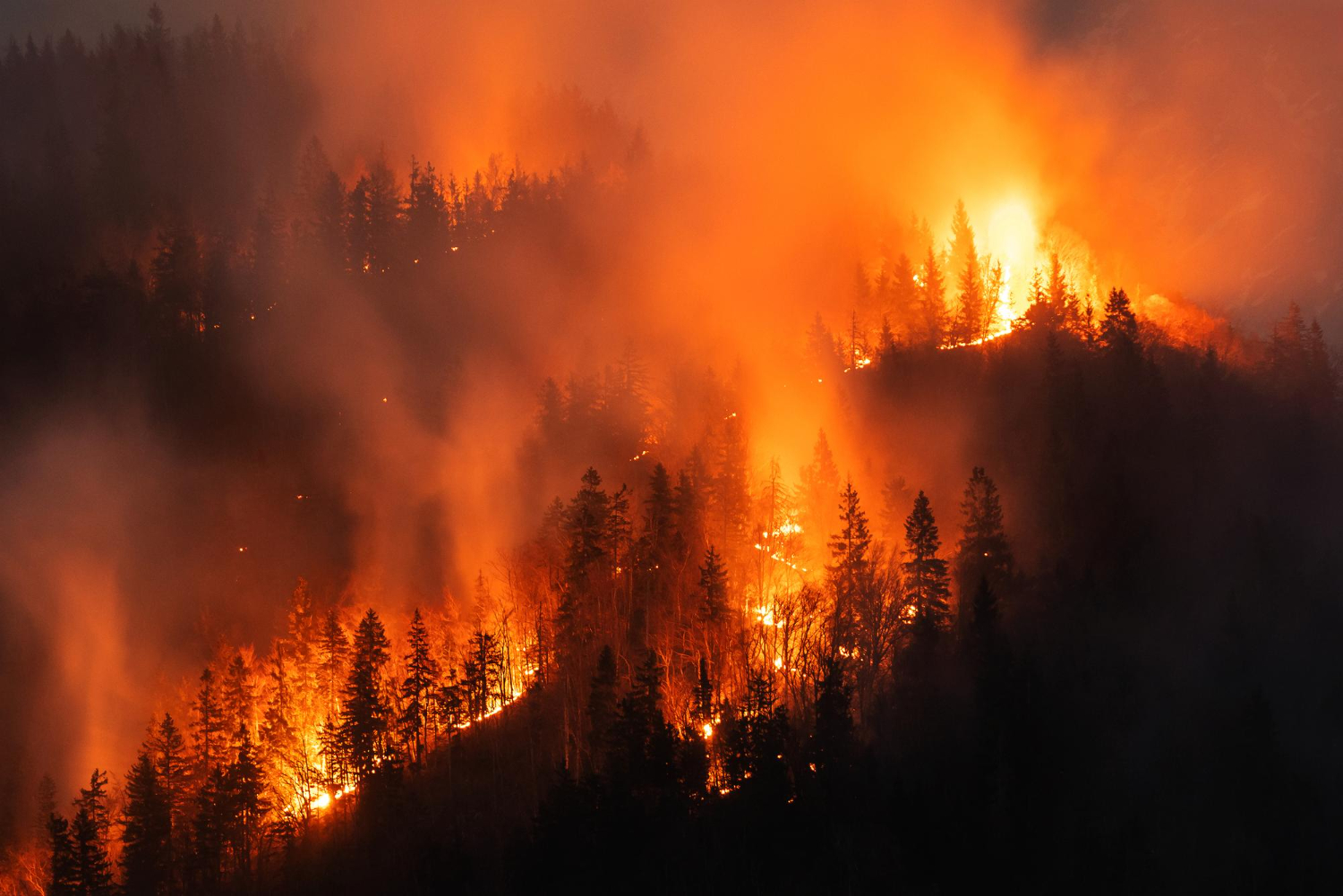
California’s wildfire season can bring concerns beyond flames. For many homeowners, an often-overlooked issue is the damage caused by wildfire smoke and ash — even when their property isn’t directly affected by fire. Understanding how your homeowners insurance responds to such damage is crucial for protecting your home and belongings. This article explores the potential coverage for wildfire smoke and ash damage, common limitations, and how California homeowners can ensure they’re adequately prepared.
How Wildfire Smoke and Ash Can Damage a Home Without Direct Fire Exposure
Wildfire smoke and ash can infiltrate a home in various ways, even when flames are miles away. Smoke often seeps through windows, doors, vents, and cracks, while ash particles can settle on surfaces both inside and out. These elements can cause:
- Lingering odors and poor air quality, which may affect comfort and health.
- Soot and ash buildup on walls, ceilings, and floors, requiring extensive cleaning.
- Contaminated ventilation systems, including HVAC ducts that circulate smoky air.
- Damage to personal belongings, such as upholstered furniture, curtains, and clothing.
What might seem like minor exposure can still leave behind lasting effects, especially without proper cleaning. Even when flames don’t touch your property, wildfire smoke and ash may cause significant disruption and expenses.
When Homeowners Insurance May Cover Smoke and Ash Damage
Many standard homeowners insurance policies provide some level of protection against wildfire-related smoke and ash damage, but coverage depends on policy specifics and the type of damage incurred.
- Sudden and accidental damage caused by a wildfire, such as smoke infiltration or ash contamination, is often a covered peril. This can include damage to your home’s structure, like walls or ventilation systems, and personal property such as furniture and electronics.
- Necessary cleaning or restoration may be compensated if smoke or ash contamination results in covered physical damage.
- Exclusions and conditions apply. For example, damage caused by long-term neglect or poor maintenance may not be covered. Similarly, preventive or precautionary cleaning is generally not reimbursed.
It’s important to read your policy carefully. Some homeowners discover coverage gaps or exclusions only after an incident occurs. Speak with your insurance provider to fully understand how your specific policy addresses wildfire smoke and ash damage.
Common Coverage Limitations and Potential Claim Challenges
While homeowners insurance can provide relief for wildfire-related damage, it’s essential to know the potential limitations and challenges you may encounter when filing a claim:
- Policy exclusions and deductibles can impact compensation for smoke or ash damage, particularly if the damage is deemed preventable or not directly caused by the wildfire.
- Proving the damage’s cause is critical. Insurers may require proof that smoke or ash contamination resulted directly from a specific wildfire.
- HVAC-system-related damage might be covered in some policies, but insurers often require evidence of physical damage to claim expenses like duct cleaning or odor removal.
- Cleaning and odor removal expenses may only be reimbursed if connected to specific, documented property damage.
Each insurance policy is unique. Always review coverage limits, exclusions, and requirements when considering a smoke damage insurance claim.
How to Document Wildfire Smoke and Ash Damage for an Insurance Claim
Proper documentation is key to a successful insurance claim. California homeowners can take these steps to streamline the process:
- Photograph visible damage — including ash deposits, soot stains, or discoloration. Avoid cleanup until after documentation, unless safety requires immediate action.
- Log important details, such as the wildfire’s timing, when you first noticed the damage, and which areas or belongings were affected.
- Retain inspection findings and cleaning estimates from professionals for evidence.
- Keep receipts for cleaning supplies or services and other related expenses.
- Notify your insurer promptly to understand policy-specific claim processes. Ask if inspections or approvals are required before major cleanup efforts.
It’s also vital to prioritize safety. Follow local health guidance when handling wildfire ash, as exposure may pose health risks.
Practical Ways California Homeowners Can Review Their Insurance Protection
Wildfires are an unfortunate reality in California, but homeowners can prepare by ensuring their insurance policy meets their needs. Here’s how:
- Review declarations and coverage limits to confirm your policy includes protection for wildfire smoke, ash damage, and cleaning costs.
- Ask your agent specific questions about scenarios like smoke infiltration, ash damage to personal property, and whether HVAC cleaning is covered.
- Maintain a home inventory, including photographs, receipts, and appraisals of valuable belongings.
- Keep insurance documents accessible and make sure contact details for your insurance provider are up-to-date.
Speaking with a knowledgeable insurance professional can help clarify potential coverage gaps and enable you to make informed decisions about protecting your home.
Final Thoughts
Wildfire smoke and ash can have significant impacts on your home, even without direct fire damage. While homeowners insurance often provides valuable protection, understanding your policy’s specific terms is essential. From coverage limitations to claim documentation requirements, knowing what to expect allows you to safeguard your property and respond effectively should the unexpected occur.
Southwest Dealers Insurance: Dependable Insurance You Can Trust
If you need dependable and affordable insurance, look no further than Southwest Dealers Insurance Services.
Our experienced team is here to help you find the right coverage for your needs and budget. Get in touch today by telephone (951-547-6600), email (service@sowestinsurance.com), visit us at 702 W 6th St, Corona, CA 92882, or connect with us on Facebook, LinkedIn, and Twitter!